La Ley 41/2003 regula los patrimonios protegidos de las personas con discapacidad.
Dicha regulación tiene como objetivo favorecer la constitución de estos fondos patrimoniales vinculados a la satisfacción de las necesidades vitales de las personas con discapacidad.
En este sentido se adoptan una serie de medidas para favorecer las aportaciones a título gratuito a los patrimonios protegidos reforzando los beneficios fiscales a favor de las personas con discapacidad.
BENEFICIARIOS DEL PATRIMONIO PROTEGIDO
Tendrán esta consideración, exclusivamente, las personas con discapacidad afectadas por los siguientes grados de discapacidad:
Las afectadas por una discapacidad psíquica igual o superior al 33%.
Las afectadas por una discapacidad física o sensorial igual o superior al 65%.
LA PROTECCION PATRIMONIAL A DE ESTAR BASADA EN VARIOS PRINCIPIOS:
a) Existencia de una Comisión de Gestión. b) Gestión Patrimonial Directa o Asesoramiento Patrimonial. c) Patrimonio Individual del Participe. d) Asesoramiento, Código de Conducta, Principio de Seguridad. e) Comisión de Control.
Se trataría de la Constitución de un Servicio de Gestión Patrimonial para el Autista, se constituye con la finalidad de ofrecer a nuestros tutelados un servicio independiente, personalizado y con un único objetivo: velar por el interés del patrimonio.
No se piensa en la participación por ninguna entidad financiera, lo que garantiza su independencia y objetividad en el servicio que prestamos a nuestros tutelados, actúa como agente antes las instituciones Bancarias.
Nuestra Entidad sea Sociedad, Asociación o Fundación llevará a cabo la gestión de patrimonios y nos encargamos igualmente, con la misma eficacia, compromiso y dedicación, del de aquellos que prefieran un asesoramiento. Escuchamos con el objetivo de conocer a fondo cuáles son las expectativas que tienen, su carácter y su situación personal para poder ofrecerles una planificación de sus inversiones a medida.
Compromiso Desde el primer momento cada uno de los miembros de nuestro equipo adquiere el compromiso de dedicación, esfuerzo y responsabilidad que caracteriza la calidad de nuestro trabajo.
Ética Responsabilidad personal que ha de estar acorde con su ética y responsabilidad social. Todas las inversiones que se realizan cumpliendo un propio Código. Nuestra gestión y actuación se llevan a cabo de acuerdo a un Código de Conducta Ético elaborado por la Fundación y ratificado por sus promotores.
Alineación de intereses Nuestros intereses están absolutamente alineados con los de nuestros tutelados, solo así podemos estar centrados en sus necesidades buscando soluciones a medida que ayuden a consolidar una relación donde la confianza de ellos son nuestro principal activo.
Las funciones tutelares constituyen un deber, se ejercerán en beneficio del tutelado y estarán bajo la salvaguarda de la autoridad judicial. Estas medidas podrán ser acordadas también por el Juez, de oficio o a instancia de cualquier interesado, en todos los supuestos de tutela o guarda, de hecho o de derecho, de menores e incapaces, en cuanto lo requiera el interés de éstos.
Sin perjuicio del tutor asignado lo que se pretende con este Servicio Tutelar de Gestión Integral es que los tutores y familiares tengan un servicio donde consultar todas las dudas de este deber social tan importante, donde un equipo de profesionales pueda verificar la tutoría, seguirla, asistirla, defenderla, siempre con un único objetivo de interés del tutelado.
Como seria este Servicio Tutelar, debería estar dotado de profesionales en el campo del derecho, de los servicios sociales, sociología y psicología, un equipo que responda a los intereses del tutelado, de asistencia al tutor y de seguimiento en todo momento de cualquier incidencia tutelar y apoyo a las personas tuteladas y tutores, incluyendo si es el caso de la tutela efectiva directa.
La Ley 8/2021, de 2 de junio, por la que se reforma la legislación civil y procesal para el apoyo a las personas con discapacidad en el ejercicio de su capacidad jurídica ha supuesto un nuevo enfoque en el tratamiento de la situación jurídica de las personas con discapacidad, tanto en el ámbito jurídico como en el contexto social.
La nueva regulación se fundamenta en el respeto a la voluntad, los deseos y las preferencias de la persona con discapacidad, a quien, como regla general, se atribuye la toma de sus propias decisiones en los diversos aspectos personales y patrimoniales de su vida, estableciendo un sistema de apoyos que le ayuden en ello, entre los que destaca la curatela como medida formal preferente.
La presente obra aborda el análisis del régimen jurídico de dicha figura, abarcando la constitución de la misma, el nombramiento de curador, el contenido y ejercicio de la curatela, su extinción y la responsabilidad civil del curador.
No obstante, el nuevo perfil que regula la curatela ha suscitado bastantes dudas en la doctrina, quedando abiertas algunas cuestiones no resueltas por el legislador. Así, entre otras, la idoneidad del curador, los actos en los que debe intervenir, la carencia de control judicial sobre la curatela asistencial, la conformación de la voluntad de la persona con discapacidad y la responsabilidad civil del curador por faltas de la persona con discapacidad.
De todo ello se deriva una problemática compleja y ciertos vacíos legales. En dicho análisis se ha tenido en cuenta la confluencia de legislaciones que convergen a la hora de delimitar el régimen jurídico de la figura, regulada principalmente en el CC, en la LJV y en la LEC, las diversas y dispares soluciones que ha aportado la doctrina científica, y los pronunciamientos al respecto que se han producido en los Tribunales desde la publicación de la Ley.
Desaparecen la patria potestad prorrogada y rehabilitada, la tutela queda circunscrita a los supuestos de menores no protegidos por la patria potestad, y la protección a la persona afectada por la discapacidad se organiza principalmente alrededor de la institución de la curatela.
Lo primero que hay que señalar es que, el principio informador de este cuerpo normativo que se implementa en nuestras normas civiles y procesales supone un cambio de concepto por cuanto, hasta ahora nuestro sistema se fundamentaba en la sustitución en la toma de las decisiones que afectaban a las personas con discapacidad, y ahora se adopta una nueva concepción fundamentada en el respeto a la voluntad y las preferencias de la persona discapacitada quien, como regla general, será la encargada de tomar sus propias decisiones; de hecho, en el nuevo régimen de la discapacidad sólo en situaciones donde el apoyo no pueda darse de otro modo y solo ante esa situación de imposibilidad, será cuando este podrá concretarse a través de la representación en la toma de decisiones.
La principal medida de apoyo de origen judicial para las personas con discapacidad pasa a ser la curatela. Con ella se pretende prestar apoyo en el ejercicio de la capacidad jurídica, en la línea de excluir en lo posible las actuaciones de naturaleza representativa, y solo en los casos en los que sea preciso, y solo de manera excepcional, podrán atribuirse al curador funciones representativas.
En consecuencia, se eliminan del ámbito de la discapacidad no sólo la tutela, sino también la patria potestad prorrogada y la patria potestad rehabilitada, figuras demasiado rígidas y poco adaptadas al sistema de promoción de la autonomía de las personas adultas con discapacidad que pretende la nueva regulación –señala el preámbulo de la propia ley-. Por tanto, la tutela, asociada tradicionalmente a una connotación representativa, queda reservada para los menores de edad que no estén protegidos a través de la patria potestad. Y es que, en la nueva regulación, cuando el menor con discapacidad llegue a la mayoría de edad se le prestarán los apoyos que necesite del mismo modo y por el mismo medio que a cualquier adulto que los requiera.
Finalmente, las medidas de apoyo adoptadas judicialmente serán revisadas periódicamente en un plazo máximo de tres años o, en casos excepcionales, de hasta seis y, en cualquier caso, pueden ser revisadas ante cualquier cambio en la situación de la persona que pueda requerir su modificación. Asimismo, no podrán ejercer medidas de apoyo quienes, en virtud de una relación contractual, presten servicios asistenciales, residenciales o de naturaleza análoga a la persona que precisa el apoyo.
Podrá ser curador cualquier persona mayor de edad apta para el adecuado desempeño de esa función así como las fundaciones y demás personas jurídicas sin ánimo de lucro, públicas o privadas, entre cuyos fines figure la promoción de la autonomía y asistencia a las personas con discapacidad, y podrán separarse como cargos distintos los de curador de la persona y curador de los bienes. Por su parte, el curador podrá excusarse de la curatela si ésta le resulta excesivamente gravosa o entraña grave dificultad, así como cuando durante su desempeño le sobrevengan los motivos de excusa.
El curador tiene derecho a una retribución, siempre que el patrimonio de la persona con discapacidad lo permita, así como al reembolso de los gastos justificados y a la indemnización de los daños sufridos sin culpa por su parte en el ejercicio de su función, cantidades que serán satisfechas con cargo a dicho patrimonio, según lo que establezca a este respecto la autoridad judicial. Por su parte, está obligado a rendir cuentas ante la autoridad judicial, sin perjuicio de la obligación de rendición periódica de cuentas que en su caso le haya impuesto la autoridad judicial.
Autismo y epilepsia: ¿tienen los niños autistas un riesgo más alto de convulsiones?
POR EMILY ANSELL ELFER
Fuente: Autism Parenting Magazine | 23/12/2021
Fotografía: Pixabay.com
El tema del autismo y las convulsiones es cada vez más preguntado por los padres de niños del espectro
El tema del autismo y las convulsiones es cada vez más preguntado por los padres de niños del espectro. Las cifras exactas varían de un estudio a otro, pero está claro que el potencial de epilepsia en las personas con trastorno del espectro autista (TEA) es elevado.
Según el investigador médico del Reino Unido Frank MC Besag, alrededor del 20% de las personas con TEA corren el riesgo de padecer epilepsia (basándose en los criterios previos del autismo), y el riesgo de TEA en la epilepsia también es alto, alrededor del 20% (basándose en estudios epidemiológicos recientes).
Mientras tanto, en Estados Unidos, los datos sugieren que alrededor de un tercio de los niños del espectro autista también tendrán epilepsia, pero sólo el 4-5% de los niños con epilepsia tendrán TEA.
¿El autismo causa epilepsia o la epilepsia puede causar autismo?
Las convulsiones son la complicación neurológica más común en el TEA y los estudios muestran claramente que los niños con autismo son ligeramente más propensos a tener también epilepsia.
Sin embargo, las investigaciones sugieren que no hay pruebas reales de que el autismo cause epilepsia y también parece que la epilepsia rara vez es la razón de los rasgos autistas.
En cambio, se cree que la coexistencia de la epilepsia y el autismo es probablemente el resultado de factores subyacentes que predisponen a ambas condiciones, incluyendo factores genéticos y ambientales.
¿Qué niños con autismo son más propensos a sufrir convulsiones?
En los niños con autismo, la discapacidad intelectual parece ser un factor de alto riesgo para desarrollar epilepsia. Se calcula que el riesgo es del 8% para los que no tienen discapacidad intelectual y de hasta el 20% para los que sí la tienen.
También hay una serie de trastornos genéticos relacionados tanto con el autismo como con las convulsiones. Los factores de riesgo incluyen tener un diagnóstico de Rett, X frágil, Angelman o Prader-Willi, entre otras condiciones. Por otra parte, condiciones como el Trastorno por Déficit de Atención e Hiperactividad (TDAH), la ansiedad y los trastornos del sueño son comunes tanto en la epilepsia como en el TEA.
Por lo tanto, es importante tener en cuenta que los niños autistas que tienen uno o más de los diagnósticos anteriores podrían ser más propensos a desarrollar convulsiones; y sus padres deberían estar alerta.
Los estudios también han demostrado que la proporción hombre/mujer en el autismo de los que padecen epilepsia es de casi 2:1, en comparación con una proporción de 3,5:1 en los que no padecen epilepsia.
¿Qué tipos de convulsiones tienen los niños con autismo?
No hay ningún tipo de convulsión claramente asociado al autismo. Sin embargo, entre los tipos de convulsiones que vale la pena destacar están las de inicio focal con alteración de la conciencia (parciales complejas), las de ausencia, las tónico-clónicas y las atónicas, entre otras.
Algunas convulsiones pueden controlarse fácilmente, pero otras son más graves. Se cree que hay una mayor tasa de mortalidad y de enfermedad asociada a las convulsiones en el TEA.
¿Qué signos de convulsiones deben buscar los padres con autismo?
Según la doctora Tasleema Khan, los padres que estén preocupados de que su hijo con autismo pueda desarrollar convulsiones deben prestar atención a los siguientes signos de advertencia:
Episodios de mirada fija (que podrían ser signos de crisis de ausencia o de ausencia atípica)
Rigidez (que podría ser un signo de convulsiones tónicas)
Sacudidas o espasmos rítmicos (que podrían ser un signo de convulsiones parciales focales o simples)
Pérdida de atención (que podría ser un signo de ausencia o alteración focal de la conciencia/convulsiones parciales complejas)
Sin embargo, puede ser difícil detectar los signos de epilepsia en los niños con autismo, ya que algunos comportamientos del TEA son similares. Por ejemplo: comportamientos repetitivos sin propósito, retraso cognitivo, deterioro de las interacciones sociales, agresividad e irritabilidad.
¿Qué ayuda hay para los niños con TEA que tienen convulsiones?
Ver a su hijo con autismo sufrir convulsiones puede ser aterrador. Sin embargo, es importante mantener la calma y recordar que hay formas de controlar los síntomas.
Entre las opciones se encuentran los fármacos antiepilépticos o las terapias alternativas, como la dieta cetogénica y la estimulación del nervio vago. Una resonancia magnética (RM) también podría identificar anomalías tempranas en la materia blanca para su exploración.
Las investigaciones sugieren que la terapia de neurorretroalimentación también podría ser beneficiosa para el tratamiento de la epilepsia. Este enfoque innovador consiste en utilizar un ordenador especial para «recablear» el cerebro mediante el «entrenamiento» de las ondas cerebrales.
Recuerde que debe consultar al médico de su hijo antes de elegir el mejor tratamiento para usted y su familia, y debe tener en cuenta la interacción entre cualquier medicación que su hijo pueda estar tomando ya.
Los padres también pueden poner en práctica medidas de seguridad, como mover varios objetos de su habitación o zona de juegos para evitar lesiones, poner al niño de lado para evitar que se atragante y asegurarse de que no hay nada que bloquee su garganta. Intenta evitar sujetar al niño por su propia seguridad y la tuya.
Conclusión
No todos los niños con autismo desarrollan epilepsia. Sin embargo, el peligro de desarrollar epilepsia en personas con autismo parece ser mayor que en la población general. Está claro que se necesita más investigación para entender mejor la correlación entre ambas condiciones.
Al buscar asesoramiento médico y desarrollar una sólida comprensión del autismo de su hijo (y de cualquier otro diagnóstico), los padres pueden seleccionar el tratamiento o la medicación adecuados. La principal conclusión de la información actual es que cualquier persona preocupada por la epilepsia y el autismo puede recibir ayuda.
La Creación de un Club Social donde poder desarrollar actividades
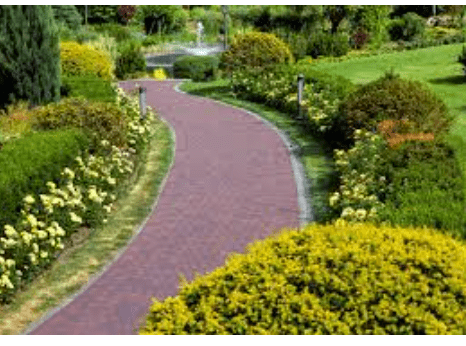
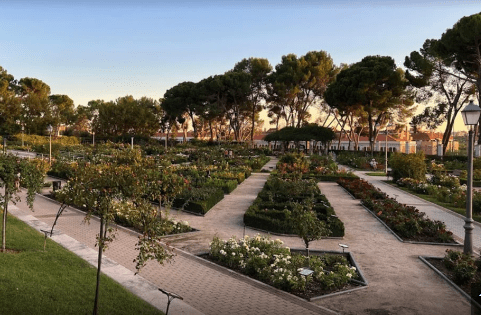
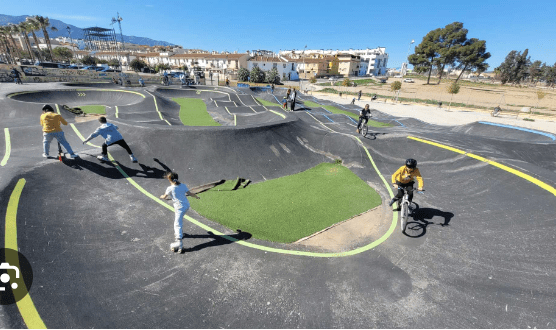
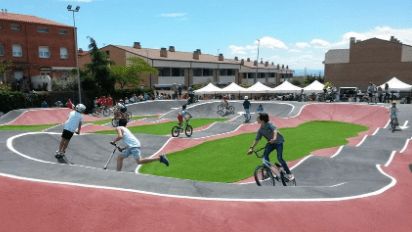
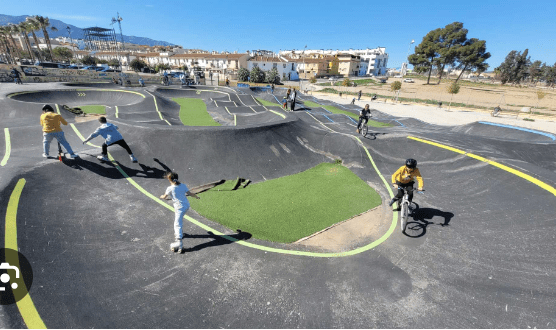
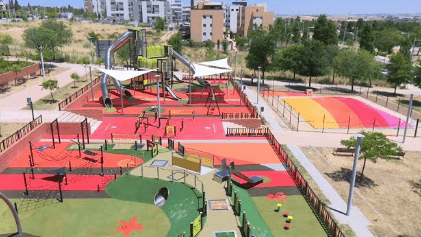
Un Club Social es un gran área de actividades donde poder realizar aquellas acciones más complicadas de realizar en la calle o parque, pensemos en poder correr la bicicleta, por ejemplo, parece una actividad deportiva-lúdica sencilla, pero cuando hablamos de niños/as autistas se complica, generalmente saben montar en bicicleta, pero no saben cuando parar, como enfrentarse al trafico ya sea de otras bicicletas o otros vehículos, están los riesgos del sitio donde se corre, los limites de ya sea ese camino, sendero, parque.
Y siempre han de ir acompañados, que fácil seria realizar esta actividad en un Club que tuviera una pista de bicicletas, un sendero, dentro del espacio del Club que seria un espacio cerrado, para evitar que se pierdan y que sea seguro, un sendero sin grandes inclinaciones, fácil de seguir, limitado y vigilado.
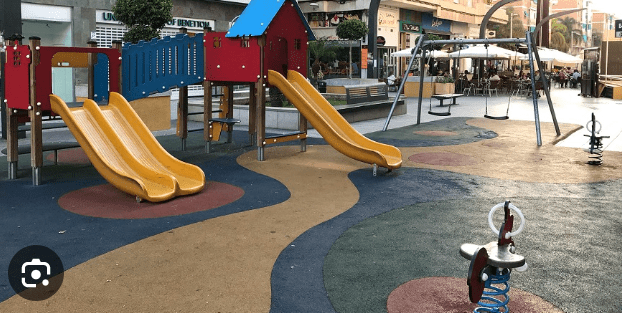
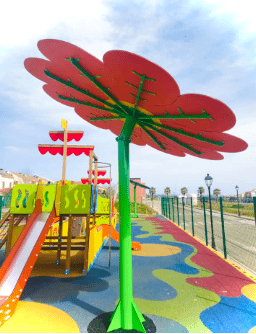
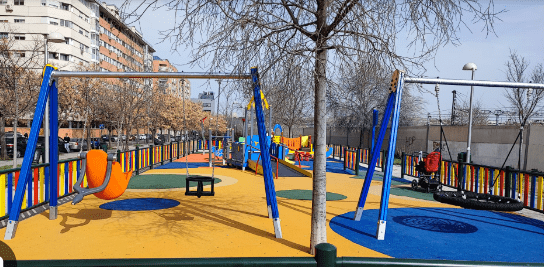
Y si añadimos otro espacio para divertirse, columpios, castillos, toboganes, balancines, etc., etc., igualmente vigilado.
Si además hay un espacio para sentarse, descansar, acompañado de familiares, amigos, cuidadores.
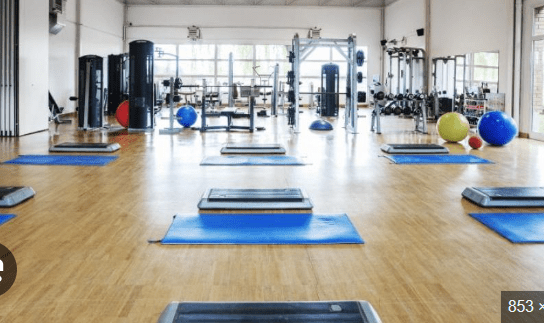
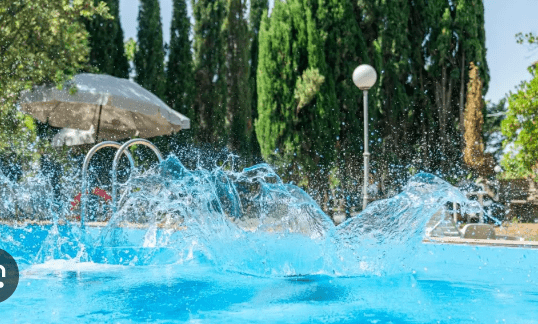
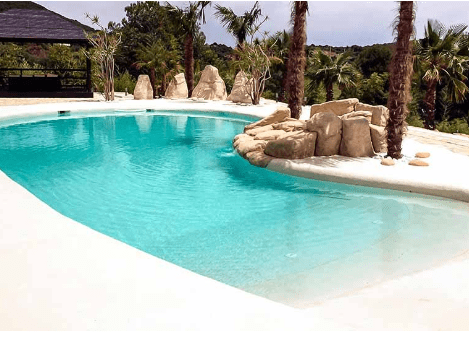
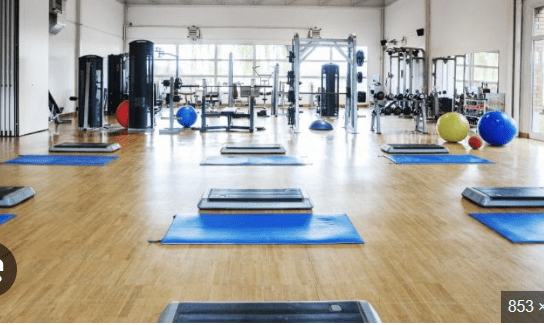
Añadimos una piscina donde poder relajarse y divertirse. Incluimos un gimnasio y espacio cubierto para poder hacer actividades en época de lluvia o con mucho calor y tendremos un Club Social para el Autismo.
En este espacio no se deben aislar, solo para proteger, lo ideal es que participen siempre que puedan los padres, familiares
Although autism is a common condition (more than one in 100 people are on the autistic spectrum in the UK, according to the National Autistic Society) it is often very misunderstood.
Many people wrongly believe that autism is a disease or illness, but the NHS website explains that having autism actually means that the brain just works differently to other people’s.
«Being autistic does not have to stop you having a good life,» the NHS emphasises. «Like everyone, autistic people have things they’re good at as well as things they struggle with.»
Signs of autism
According to the NHS, autistic people may act in a different way to other people, and people with autism may:
Find it hard to communicate and interact with other people
Find it hard to understand how other people think or feel
Find things like bright lights or loud noises overwhelming, stressful or uncomfortable
Get anxious or upset about unfamiliar situations and social events
Take longer to understand information
Do or think the same things over and over
«Autism is a spectrum,» the NHS adds. «This means everybody with autism is different. Some autistic people need little or no support. Others may need help from a parent or carer every day.»
What causes autism?
Another misconception about autism is that it can be caused by certain lifestyle choices – but this is incorrect. «Nobody knows what causes autism, or if it has a cause,» the NHS explains. «It can affect people in the same family. So it may sometimes be passed on to a child by their parents.»
Autism is not caused by:
Bad parenting
Vaccines, such as the MMR vaccine
Diet
An infection you can spread to other people
Thankfully, autism is becoming a better understood condition in the UK, with a recent YouGov poll finding that 83% of adults in Britain believe that autism is different for everyone. As for what’s behind the improvement in understanding, this could be in part due to more and more celebrities opening up about being on the autistic spectrum themselves.
Celebrities with autism
With that in mind, here’s all the famous faces who’ve spoken out about being on the autistic spectrum…
1
Celebrities with autism – Tallulah Willis
Tallulah Willis has been diagnosed with autism, the actor revealed in an Instagram post.
Sharing a sweet throwback video of herself and her father, Bruce Willis, on a red carpet, when she was a child, Tallulah, 30, quipped: «Tell me you’re autistic without telling me you’re autistic «.
In the clip, she can be seen repeatedly rubbing her dad’s head while he grins for the cameras.
Opening up about her diagnosis in the comments under the post, Tallulah shared how she found out she has autism as an adult.
«This is the first time I’ve ever publicly shared my diagnosis. Found out this summer and it’s changed my life,» she wrote.
2
Celebrities with autism – Sia
Pop icon Sia (real name: Sia Kate Isobelle Furler) recently opened up about her autism diagnosis, saying on the Rob Has A Podcast podcast: «I’m on the spectrum.«
Although Sia did not share when exactly she was diagnosed with autism, she hinted that this was a recent development. «For 45 years, I was like, ‘I’ve got to go put my human suit on’,» she said, «and only in the last two years have I become fully, fully myself.»
Sia added that «knowing about which kind of neurotypicality you may have or may not have» has helped her to live a more authentic life.
3
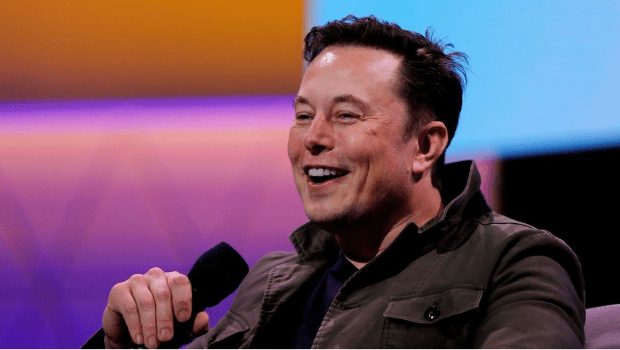
Celebrities with autism – Elon Musk
Speaking about his experience of life on the autism spectrum, billionaire businessman Elon Musk said that he’s learnt how to work with his brain, not against it.
«I did not have such a happy childhood to be frank. It was quite rough,» Elon said of how autism impacted him growing up. «Social cues were not intuitive… Others could intuitively understand what was meant by something. I would take something very literally as if the words that were spoken were exactly what they meant. But that turned out to be wrong.»
He went on: «[People are] not simply saying exactly what they mean. There are all sorts of other things that are meant. It took me a while to figure that out.»
Although he was sadly bullied for being autistic as a child, the Tesla founder credits the condition in part with his success, as this fuelled an intense and specialised interest in science and technology. «I found it rewarding to spend all night programming computers, just by myself,» he said. «Most people don’t enjoy typing strange symbols into a computer by themselves all night. They think that’s not fun. But I really liked it.»
4
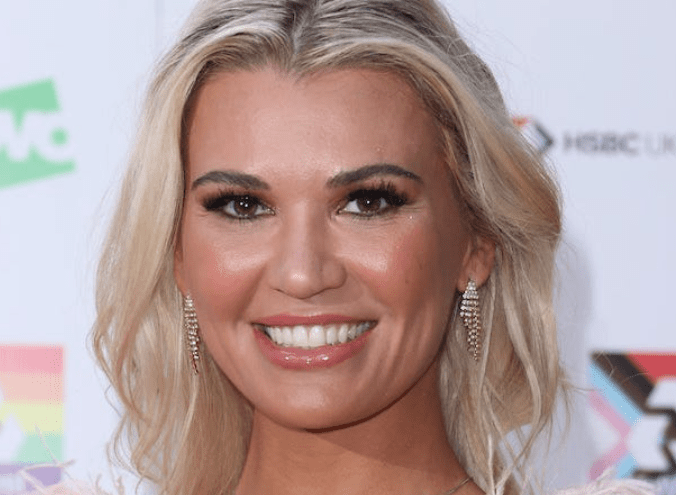
Celebrities with autism – Christine McGuinness
Opening up about being diagnosed with autism during adulthood, TV personality Christine McGuinness said in her biography that it has been both «emotional» and «a relief».
In a later documentary about her experience, titled Unmasking My Autism, Christine said that her diagnosis helped her to understand «why I am the way I am».
Because of her diagnosis, and her deeper understanding of herself, Christine later broke off her marriage to presenter Paddy McGuinness. «As an autistic woman, I like to stay where I’m comfortable, I like things to stay the same,» she said at the time. «I know I’ve stayed in a place where I was probably unhappy because it was safe and I don’t like change and ultimately I wanted to keep my family together.»
She went on: «I understand myself better now because that’s where I was comfortable just knowing that it was me, Patrick and the children – but sometimes change has to happen. You just have to deal with it in the best way possible.»
5
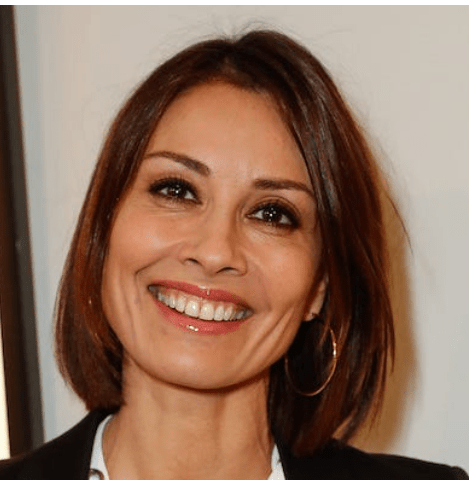
Celebrities with autism – Melanie Sykes
TV presenter Melanie Sykes is another celebrity who was diagnosed with autism later in life. Taking to Instagram to announce her diagnosis at 51 years old, Melanie told her followers: «This week has been truly life-changing. Or rather, life-affirming.»
Melanie went on to say that after her diagnosis «so many things made sense.»
«I cannot begin to tell you the sense of relief this is for me and how much I celebrate this diagnosis,» she added. «I now have a deeper understanding of myself, my life and the things I have endured.»
6
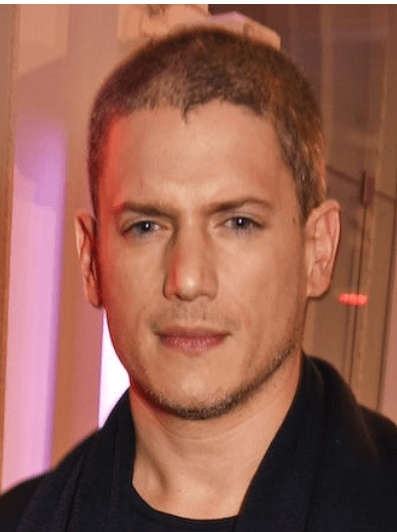
Celebrities with autism – Wentworth Miller
Prison Break star Wentworth Miller was diagnosed with autism during the coronavirus pandemic, and took to social media to open up about this to his fans.
«I don’t know enough about autism. (There’s a lot to know),» he wrote. «Right now my work looks like evolving my understanding. Re-examining five decades of lived experience through a new lens.»
To that end, he said he planned to turn to the autistic community for knowledge, and hoped to platform the community’s voice. «The autistic community (this I do know) has historically been talked over. Spoken for. I don’t wish to do additional harm. Only to raise my hand, say, ‘I am here. [I] have been (w/o realising it)’.»
Notably, the actor also commented on how difficult it had been to receive a diagnosis, partly due to being an adult rather than a child. «This fall marks 1 year since I received my informal autism diagnosis. Preceded by a self-diagnosis. Followed by a formal diagnosis,» he said. «It was a long, flawed process in need of updating. IMO. I’m a middle-aged man. Not a 5-year-old.»
7
Celebrities with autism – Susan Boyle
Singing sensation and Britain’s Got Talent star Susan Boyle has, throughout the years, spoken candidly of her Asperger Syndrome diagnosis, which the NHS says is a term «used by some people to describe autistic people with average or above average intelligence.»
Susan, who is now 62, was not diagnosed with the condition until her fifties, and was wrongly diagnosed as having brain damage as a child. «I was told I had brain damage when I was a kid. It was the wrong diagnosis.
Autism spectrum disorder is a condition related to brain development that impacts how a person perceives and socializes with others, causing problems in social interaction and communication. The disorder also includes limited and repetitive patterns of behavior.
The frequencies used in this session are based on the work of Royal Raymond Rife. Rife was a 20th century inventor who through frequency was able to cure many ailments of the body, including most common illnesses that we seek medical assistance for today.
Please don’t listen in a high volume. It may damage your hearing or give you a headache. Just put the volume as per your comfort and use headphones for better effects and sound.
Discover the Power of Sound: Binaural Beats For Autism
Experience the transformative effects of autism sound therapy. Our unique binaural beats for autism are meticulously crafted, combining sound waves for autism and autism frequency music to offer a soothing and therapeutic auditory journey. Dive into the world of autism sound therapy, where each frequency is tuned to support and enhance the well-being of individuals with autism.
Addressing Your Needs with Precision
If you’re seeking sound wave for autism or autism calming music, our autism music therapy is tailored for you. Designed for those on the autism spectrum, these compositions cater to specific sensitivities, offering a sanctuary of sound that respects and responds to your unique auditory preferences.
Elon Musk: how being autistic may make him think differently
Elon Musk, the visionary entrepreneur and CEO, recently shared that he has Asperger’s Syndrome during his appearance on Saturday Night Live.
This revelation provides a unique opportunity to explore the impact of neurodiversity on one’s life and how growing up with a ‘hidden disability’ shaped Musk’s remarkable journey.
Understanding Asperger’s Syndrome:
Asperger’s Syndrome is a form of autism characterized by difficulties in social interaction and non-verbal communication, alongside intense focus on specific interests.
Often referred to as a ‘hidden disability,’ individuals with Asperger’s may face challenges in navigating social nuances.
Impact on Elon Musk’s Life:
Musk’s openness about his neurodivergence sheds light on the strengths associated with Asperger’s, such as intense focus, innovative thinking, and resilience.
His ability to envision groundbreaking technologies and lead influential companies exemplifies the unique perspective that neurodivergent individuals bring to the table.
Growing Up with Asperger’s:
Musk’s journey through childhood and adolescence likely involved navigating the challenges of social interactions and societal expectations.
The intense focus and passion often associated with Asperger’s could have fueled Musk’s early interests and pursuits.
Breaking Stereotypes:
By openly acknowledging his neurodivergence, Musk challenges stereotypes and fosters a culture of acceptance. It highlights that brilliance comes in various forms, and embracing neurodiversity can lead to groundbreaking innovation.
Lessons for the Workplace:
As leaders, understanding and embracing neurodiversity in the workplace is essential. It contributes to a more inclusive environment where diverse perspectives fuel creativity and innovation.
Final;
Elon Musk’s journey with Asperger’s is a testament to the extraordinary capabilities that emerge from diverse minds.
Let’s use this moment to foster conversations around neurodiversity, break down stigmas, and create workplaces that celebrate the strengths of every individual.
Zuckerberg is indeed an extraordinary individual, known for his meticulous attention to detail and capacity for intense focus on intricate problems. His 2013 disclosure revealed his diagnosis of Asperger’s syndrome, a form once considered a milder variant of autism.
Is Mark Zuckerberg Autistic? A Closer Look
Mark Zuckerberg, globally recognized as the founder and CEO of Facebook, has not only redefined our interaction with social media but also opened a conversation around neurodiversity. In recent years, there’s been discussion about his placement on the autism spectrum, which he confirmed with a public statement in 2013, revealing that he has Asperger’s syndrome – now considered part of the autism spectrum.
Understanding Autism
Autism, a neurodevelopmental disorder, impacts an individual’s communication and social interaction abilities. It’s a spectrum disorder, implying its manifestations can range from mild to severe. Common symptoms encompass difficulty with social communication, repetitive behaviors, and sensory processing challenges.
Mark Zuckerberg and Autism
Zuckerberg is indeed an extraordinary individual, known for his meticulous attention to detail and capacity for intense focus on intricate problems. His 2013 disclosure revealed his diagnosis of Asperger’s syndrome, a form once considered a milder variant of autism. The American Psychiatric Association no longer recognizes it as a separate diagnosis.
Individuals with Asperger’s typically possess average or superior intelligence but may grapple with social communication and have obsessive interests. Zuckerberg’s openness about his condition has been applauded for its role in reducing autism stigma and inspiring others facing similar struggles to seek support.
The Influence of Autism on Zuckerberg’s Life
If Zuckerberg is indeed on the spectrum, it could provide insight into his remarkable focus and dedication. People with autism are often able to intensely concentrate on areas of interest, which in Zuckerberg’s case, could be technology and coding. His unique approach to problem-solving and attention to detail could also be influenced by autism.
These traits are often linked to autism, leading many to speculate that he may have autism.
People are happy that Zuckerberg talked about his autism. This helps to show that autism is not something to be ashamed of. It also encourages others to get help if they need it. It shows that people with autism can do well in their jobs and help society.
Researchers shed new light on how genetics may influence the development of autism spectrum disorder (ASD).
The study, the largest ever to focus on families with multiple children diagnosed with autism, has revealed seven potential risk genes. Additionally, it has provided genetic evidence for reconsidering language delay as a key component of ASD.
These findings highlight the complex interplay between common and rare genetic variations in determining autism risk.
Key Facts:
UCLA Health researchers conducted the largest study to date on families with more than one child diagnosed with autism, uncovering seven potential risk genes.
The study highlights the importance of the role of both common and rare inherited genetic variations in autism risk.
Genetic evidence from the study suggests that language delay and dysfunction may be a core component of autism, contrary to the current DSM-5 diagnostic guide.
Source: UCLA
UCLA Health researchers have published the largest-ever study of families with at least two children with autism, uncovering new risk genes and providing new insights into how genetics influence whether someone develops autism spectrum disorder.
The new study, published in the Proceedings of the National Academy of Sciences, also provides genetic evidence that language delay and dysfunction should be reconsidered as a core component of autism.
Most genetic studies of autism have focused on families with one child affected by the neurodevelopmental disorder, sometimes excluding families with multiple affected children.
As a result, few studies have examined the role of rare inherited variation or its interaction with the combined effect of multiple common genetic variations that contribute to the risk of developing autism.
“Study design is critical and not enough attention has been paid to studying families with more than one affected child,” said lead study author Dr. Daniel Geschwind, the Gordon and Virginia MacDonald Distinguished Professor of Human Genetics, Neurology and Psychiatry at UCLA.
Autism is highly heritable: It is estimated at least 50% of genetic risk is predicted by common genetic variation and another 15%–20% is due to spontaneous mutations or predictable inheritance patterns. The remaining genetic risk is yet to be determined.
For this study, researchers performed whole genome sequencing in 4,551 individuals from 1,004 families with at least two children diagnosed with autism. This group included 1,836 children with autism and 418 children without an autism diagnosis.
The researchers found seven potential genes that are predicted to increase the risk of autism: PLEKHA8, PRR25, FBXL13, VPS54, SLFN5, SNCAIP, and TGM1.
This is remarkable because other studies have had to analyze much larger cohorts to identify a similar number of novel risk genes. This is because in this case, most of the new genes were supported by rare inherited DNA variations that were transmitted from parents to children with autism.
The researchers also examined polygenic risk, in which a combination of commonly found genetic variations can raise the likelihood of developing autism. They found children who inherit rare mutations from unaffected parents in combination with polygenic risk are more likely to have autism.
This helps explains why parents who carry a single rare mutation may not show signs of autism even if their children do. It also lends support to the liability threshold model, a concept in behavioral genetics that holds there is an additive effect of genes that influences the probability that someone develops a certain trait.
In another important finding, children who had language delay had a higher likelihood of inheriting a polygenic score associated with autism, while there was not a similar relationship for children without language delays.
This pattern was specific to autism and was not seen in other traits like educational attainment, schizophrenia or bipolar disorder, suggesting there’s a link between the genetic risk for autism and language delay.
However, the most recent edition of the professional guidebook used by mental health providers to diagnose disorders—the Diagnostic and Statistical Manual of Mental Disorders, 5th Edition (DSM-5)—does not consider language delay a core autism symptom, citing the variability in language ability among people with autism.
“This association of general risk for ASD that was strongest in those with language delay suggests that language is actually a core component of ASD. This finding needs to be replicated in larger cohorts, especially those recruited more recently under DSM-5,” Geschwind said.
About this autism and genetics research news
Author: Daniel Geschwind Source: UCLA Contact: Daniel Geschwind – UCLA Image: The image is credited to Neuroscience News
How our brains develop facial recognition skills: New face-detecting brain circuit.
Scientists have uncovered a brain circuit in primates that rapidly detects faces.
The findings help not only explain how primates sense and recognize faces, but could also have implications for understanding conditions such as autism, where face detection and recognition are often impaired from early childhood.
Scientists at the National Institutes of Health (NIH) have uncovered a brain circuit in primates that rapidly detects faces.
The findings help not only explain how primates sense and recognize faces, but could also have implications for understanding conditions such as autism, where face detection and recognition are often impaired from early childhood.
The newly discovered circuit first engages an evolutionarily ancient part of the brain called the superior colliculus, which can then trigger the eyes and head to turn for a better look.
This better view enables different brain areas in the temporal cortex to engage in more complex facial recognition. The study was published in the journal Neuron.
«Quick recognition of faces is a key skill in humans and other primates,» said Richard Krauzlis, Ph.D., of NIH’s National Eye Institute (NEI) and senior author of the study. «
This newly discovered circuit explains how we’re able to quickly detect and look at faces, even if they first show up in the peripheral visual field where visual acuity is poor.
This circuit could be what spotlights faces to help the brain learn to recognize individuals and understand complex facial expressions, helping us acquire important social interaction skills.
In adult primates, the brain develops specialized regions of the temporal cortex called «face patches» that provide the ability to recognize and distinguish individuals by their facial features. However, facial recognition depends on fine details provided by the eye’s high acuity central vision; for us to recognize a face, we first have to look directly at it.
When babies are born, they lack the high acuity vision needed to see the fine details of faces, and the face-specific areas of the cortex don’t develop until later. Even so, babies generally orient and look at faces very early in life, suggesting that another process is in play.
These observations left scientists with several questions, including: how does the brain shift the eyes towards a face to better see fine details? What provides this face preference before the brain’s «face patches» develop? And how do the brain’s «face patches» develop the ability to understand faces in the first place?
Krauzlis and colleagues hypothesized that the superior colliculus — known to detect objects — could provide the missing link. Part of the midbrain, it tells the rest of the brain if something is present somewhere — not what the object is, but simply that it is there.
It functions extremely quickly and connects directly to the motor parts of the brain, directing movements of the eyes towards objects of interest, or flinching out of the way of an object in the peripheral vision.
To test whether the superior colliculus might aid in face detection specifically, co-first authors Gongchen Yu, Ph.D., and Leor Katz, Ph.D., assembled a collection of images, including faces, biological non-face objects, like hands and arms, and other items like fruit or human-made objects. They then showed these images to adult monkeys in the monkeys’ peripheral visual field and recorded neuronal responses in the superior colliculus.
Previous studies had suggested that the detection of objects by the superior colliculus was object-agnostic, meaning that this part of the brain was just noting the presence or absence of something, without any differentiation of what that thing might be. However, in this study, Krauzlis and colleagues found that within 40 milliseconds, more than half the neurons they measured responded more strongly to images of faces compared to other types of objects. Some additional neurons eventually displayed preferences for other types of objects, but not until 100 milliseconds. In other words, the face-specific detection was much faster than detection of other objects, and was preferred by a large proportion of the measured neurons.
The researchers were also able to determine that, while the superior colliculus can receive visual information directly from the eye, this object detection process instead requires input from the early part of the visual cortex first.
Since the superior colliculus also reconnects back to the visual cortex later on in the visual processing pathway, the scientists suspect that this circuit provides a mechanism to highlight the importance of certain objects.
«We believe this face-preference circuit may actually drive the development of the brain’s more advanced facial recognition processes,» said Krauzlis. «If so, deficits in this face preference in the superior colliculus might play a role in autism.»
This study was funded by the NEI Intramural Program. In addition to co-lead authors Yu and Katz, Christian Quaia, Ph.D., and Adam Messinger, Ph.D., also contributed to the research.
Gongchen Yu, Leor N. Katz, Christian Quaia, Adam Messinger, Richard J. Krauzlis. Short-latency preference for faces in primate superior colliculus depends on visual cortex. Neuron, 2024; DOI: 10.1016/j.neuron.2024.06.005
Children with the autism spectrum disorder (ASD) tend to avoid eye contact with people to prevent overwhelming themselves through excessive stimulation from their eyes. This is an important skill for your child to pick up, so that they will not be seen as being rude, having a lack of interest and lack of empathy by their peers when they go into mainstream schooling.
Essentials for Educators: Presented by Utah parents, teachers, professionals in the field of autism spectrum disorders (ASD), this video explains underlying differences in individuals with ASD and suggest strategies for increasing their success in the school setting.
An information session on autism presented by Geoff Evans, autism trainer and consultant, who has been working in the field of autism for 40 years.
This session involves a presentation and Q&A, introducing autism and its wide range of characteristics and exploring issues related to caring for someone with autism or having autism yourself. Information correct at time of recording.
Autism spectrum (ASD) is an umbrella term used to describe a range of conditions characterized by difficulties in social interactions and communication, unusual sensitivity (hypersensitivity or hyposensitivity) to sensory inputs, and restricted or repetitive behaviors (stimming).
The word “spectrum” means there is a great array of symptoms with various degrees of severity. Among people diagnosed with autism, there can be a wide range of intellectual and learning abilities, from highly capable to severely challenged.
A number of other conditions tend to occur more often in autistic people, including gastrointestinal disorders, epilepsy, feeding problems, anxiety and depression, among others.
Autism, also known as autism spectrum disorder, is characterized by symptoms that include impairments in social communication and interaction and restricted and repetitive behaviors. Although the neuroscience of autism is still poorly understood, autism is considered to be a complex developmental disorder that involves atypical brain organization starting early in development. Individuals with autism often experience a period of unusually rapid brain growth in infancy and early childhood.
This accelerated brain growth is linked to an atypical pattern of connectivity between brain regions. A number of studies report that alterations in brain circuitry involved with social interaction and attention can be detected well before the symptoms of autism begin to appear. At this point, however, it’s unclear how brain overgrowth and atypical connectivity might be linked to the occurrence of autism symptoms.
Research suggests that the risk of autism is strongly influenced by genetics, yet studies consistently report that environmental factors also play a large role. Although a number of potential environmental factors have been identified, the risk factors for autism are far from definitive, and it remains unclear which factors are responsible for causing an increase in autism risk, and which are associated in a non-causal way.
The risk factors that are most strongly linked to autism are associated with the prenatal or perinatal period. Thus, it’s possible they might be responsible for disruptions to typical neural development, leading to symptoms of autism months or years later.
How these risk factors might interfere with neural development is still uncertain, but hypotheses have suggested potential mechanisms such as epigenetic effects, inflammation, oxidative stress, or damage caused by oxygen deficiency.
More work needs to be done, however, to fully elucidate the genetic and environmental risk factors for autism, as well as the mechanisms for the development of autism symptoms.
Pianist Derek Paravicini understands music systematically. Once a child prodigy, he’s matured into a creative musician, able to reimagine songs in ways few can.
Why you should listen
Derek Paravicini weighed half a kilogram when he was born, prematurely at just 25 weeks. Growing up blind and with severe autism, Paravicini had trouble communicating, but was fascinated by sound. He began teaching himself how to play the piano and, by 4-years-old, had taught himself an incredible catalogue of songs that he played with unusual technique. Soon, Paravicini began studying with Adam Ockelford, a teacher at the Linden Lodge School for the Blind in London, who saw in him the marks of a highly inventive musician. Paravicini gave his first concert at age 7 and, two years later, played the Barbican Hall.
Now in his thirties, Paravicini has continued to grow as a performer, with the ability to reimagine complex pieces of music even after only hearing them once. He was featured in the series Extraordinary People in the United Kingdom and, in the United States, on Stan Lee’s Superhumans, which verified his musical ability and confirmed his savantism. Paravicini has also worked with composer Matthew King. The two have played improvised pieces on BBC Radio and collaborated on Blue, the first concerto ever composed for someone with learning impairment.
Trundley: el piloto autista que gana y derriba prejuicios
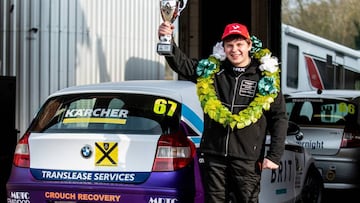
Con 19 años debutó venciendo en el BMW 116 Trophy con el coche del Team BRIT, equipo creado por exsoldados heridos que ayuda a pilotos con discapacidad.
Team BRIT.
«Mi autismo no me detiene, me hace más fuerte. Es cómo vivo, quién soy y lo que me impulsa a ser lo mejor que puedo ser”.
Bobby Trundley, nacido en Wokinham hace 19 años, lanza una proclama de vida que acompaña con un lema que lo define: “Soy autista y me encanta correr”.
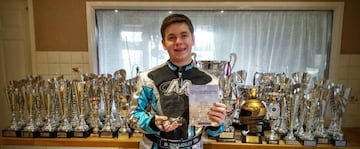
Este joven que sueña con ser piloto profesional atesora muchos éxitos en el kárting y premios relevantes como el ‘Anna Kennedy OBE Autism Hero’ y el ‘Premio a la Excelencia en el Deporte en el Mundial de Autismo 2017’, donde representaba a Inglaterra.
Bobby Trundley, con muchos de sus trofeos de karts.
Ha debutado en la cita inaugural de la copa monomarca Gaz Shocks BMW 116 Trophy, certamen organizado por el prestigioso ‘750 Motor Club’ cuyos miembros incluyen a ingenieros míticos de F1 como Colin Chapman, Derek Bennett o Gordon Murray.
¿El resultado? Bobby ganó la carrera.
“He soportado intimidación e incredulidad de muchas personas que decían que no valdría para nada. Cuando conduzco todo encaja y desaparece la discapacidad”, dice Trundley.
WHAT THE FAA HAS TO SAY ABOUT AUTISTIC AIRMEN/WOMEN
Autism has a lot of hallmark stereotypes — chiefly, the ability to hyper-focus on special interests.
As children, an obsession with dinosaurs or trains is acceptable; however, the hyper-focus eventually puts us at odds socially. As we get older, namely as adults, our special interests and the spaces generated by our peers to enjoy those interests can be just as exclusive of us as they can be inclusive.
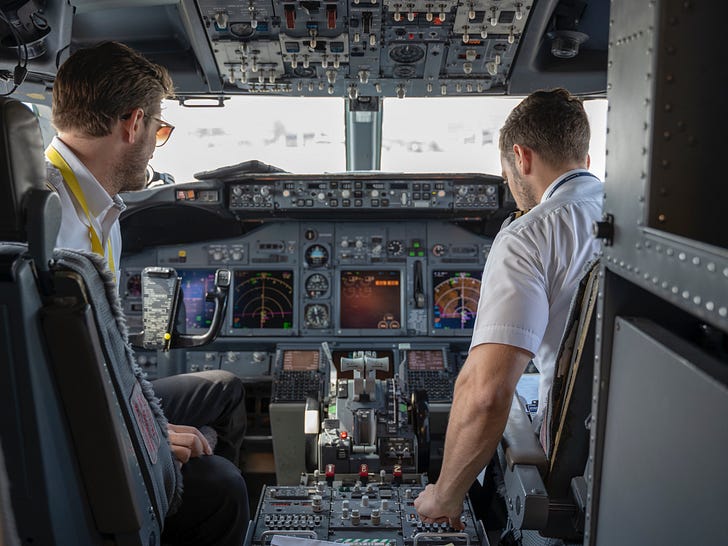
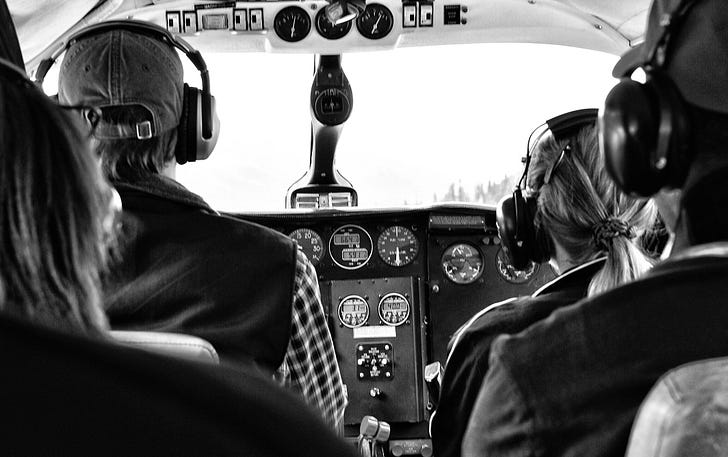
So, what about those special few of us who are aviation nerds? What if you were autistic and wanted to go beyond being a “back-seater”?
What if you actually wanted to fly?
THE STANDARD PROCESS FOR STUDENT AIRMEN/WOMEN
Acquiring your student pilot’s license is a fairly straight-forward process:
The applicant must check out with a certified Air Medical Examiner to obtain either a First or Second Class Medical Certificate.
The applicant then takes their identification, along with their medical certificate, birth certificate, and other required paperwork into their instructor, who then helps the student fill out their application for a student pilot’s license.
The instructor will ask general questions, regarding background, and look over the medical certificate, and make sure that any restrictions are explained in detail.
AUTISTIC AIRMEN/WOMEN
Here is where the bias comes in. If you look up on google, something along the lines of “‘x’ disease” or “‘y’ disorder”, then add FAA rules, you should find the specific things that the FAA deem “unsafe to fly/do not fly”. For example, any Attention Deficit Disorders, or Anxiety Disorders. If you’re under the influence of certain psychotropic medications, is another general rule listed on there.
But if you look for autism, specifically, you won’t find it there. Instead, you’re taken to a special bulletin, outlining autism spectrum disorder in detail. I’ll link to the special bulletin here, for those that wish to read it. Otherwise, here’s some general bullet points.
This case report was written by Colonel Elizabeth R. Anderson-Doze, board certified in family medicine, and is an Aerospace Medicine Resident at Wright-Patterson AFB, Ohio.
This report outlines general hallmarks of autism, aka, stereotypes, and give one particular case study.
Overall synopsis: Asperger’s/Type 1 ASD can be considered by AMEs on a case by case basis, so long as they can provide a familiar, outside psychiatrist or medical doctor’s approval and recommendation.
The FAA, and AMEs are looking for “stabilization in treatment”. No history of violent meltdowns, no hospitalizations, things like that.
Here’s the problem that THIS student airman has with this decision: what if you’ve never received “treatment”, and decide to self-disclose? Because it sounds like you’d have basically shot yourself in the foot, here.
And, what about Autistics that AREN’T “type 1”, but still show the necessary skills and “stabilization” in order to be considered to fly?
Why can’t any of the other Neurodivergent disorders fly, even if they’re still considered “stable in treatment” by their physicians?
I’ve sent out some emails for comment, but I haven’t heard back yet. In the meantime, these questions are things that I’m definitely wanting answers to.
AN UNCERTAIN FUTURE
The biggest problem with this exclusion and bias isn’t simply getting the plastic card and the privileges that come with having a pilot’s license.
Ask yourself this question: how many professional pilots with disabilities have you seen flying these skies deemed “friendly” by our airlines?
In WWII and beyond, pilots could regain flight status with the use of prosthetics. How many do you see on American Airlines? Delta? United?
How many pilots do you see who are representative of you? Your skin color? Your ethnicity? Your disability?
This issue is far more important than just us. But, like all movements for change, those who are disabled seem to be the last to see that change.
But either way, this author dissents to the opinion that psychiatric stability is the only thing keeping most back from their dreams of flight. Because if that were the case, honestly, then it should apply to ALL neurodivergence and disabilities, not just autism. It should apply unilaterally as standards for all people.
Combat vets with PTSD can’t become pilots? No matter how “stable” they are? What about someone who has been diagnosed with acute MDD (major depressive disorder), AFTER an otherwise-perfect performance record and umpteen years of experience? Are they not supposed to fly anymore?
“Psychiatric stability” covers more than just autism. It is not exclusive to just autism.
If you have the aptitude, if you have the applied skill set necessary, no matter what the industry, shouldn’t you be allowed to become a professional?
As we continue to push for inclusion inside of employment, I pose this final question to our allies: would you be any less afraid of flying than your current comfort level if the pilot in command had a disability?
I honestly would not. Because I trust the schools and the rules put in place that make up the eligibility requirements that ALL pilots must meet. I’m going through it. And I know my brothers and sister pilots in training are as well. If I’m not treated differently by them, why should I be treated differently by the industry at large?
Hayden is flying around Australia to show others living with autism that the sky’s the limit
Hayden is set to solo circumnavigate regional Australia in September.(Supplied: Hayden McDonald)
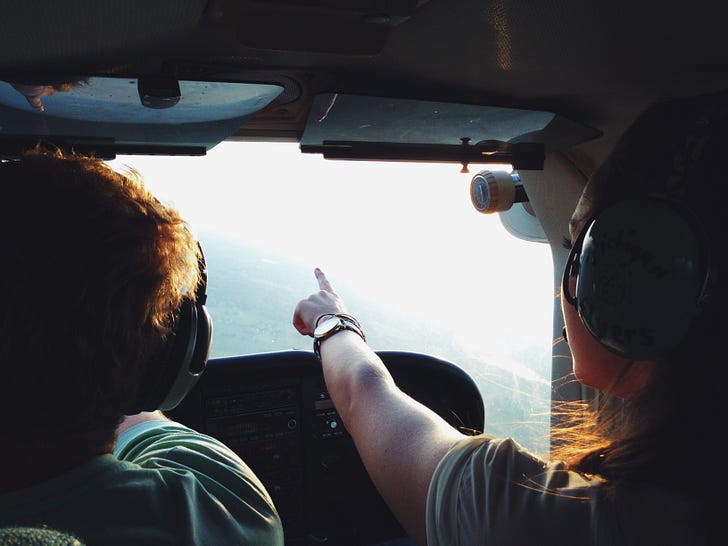
Hayden McDonald didn’t always feel like the world was built for him. But from thousands of feet above, life makes perfect sense.
«It’s a disconnect from the world, it’s my escape,» he says.
This article contains external content that failed to load. It may have been removed or is no longer available.
«Being on the autistic spectrum, life is a little bit difficult, so it’s a way for me to be myself without anyone trying to tell me who I am.»
When Hayden was just a boy, his grandfather would take him flying across the Nullarbor and Flinders Ranges, introducing him to a world beyond one he’d ever known.
It inspired a love for aviation that has seen him travel thousands of kilometres across the rocky outcrops and salt lakes of WA’s Goldfields-Esperance region on his own.
There’s something about being up there that gives you a different perspective, he says. You don’t «hear all the bad stuff in the world».
This article contains external content that failed to load. It may have been removed or is no longer available.
But far from just a reprieve from the day-to-day, flying has come to represent something more.
After gaining his recreational pilot’s certificate at 17, Hayden began the process of applying to become a professional pilot on his final day of high school.
Before long, an email arrived in his inbox: intention to refuse medical.
«I quote: ‘This is because your autism spectrum disorder represents unacceptable risk to aeronautical navigation,'» he says.
«Can you imagine how it felt to be labelled like that?»
Faced with no opportunities, Hayden decided to make his own, sparking a dream to fly solo around Australia to show others that the sky’s the limit.
‘It’s a reminder of why I fly’
Renowned for its pristine beaches and undulating bays, the Esperance region is a sight to behold.
There’s a waypoint Hayden likes to go when he’s flying north to Kalgoorlie; the country around Norseman «is gorgeous on a summer’s day».
«The red dots, the whites in salt lakes, the blue sky,» he says. «It’s a reminder of why I fly.»
With one of the lowest population densities to be found anywhere, the 21-year-old didn’t see a lot of people like him growing up in Esperance.
Sometimes, it felt as thought people didn’t really know where Hayden fit into the puzzle. Over time, neither did he.
But in the pilot’s seat of a Jabiru J-120, he found his purpose and potential in more ways than one.
While Western Australia’s south coast is known around the world for its white sands, the fineness of the beach can cause him to have sensory overload.
Soaring above, Hayden is able to experience it in all its glory.
«That coastline between Bremer Bay and Hopetoun is absolutely beautiful,» he says. «It’s just rugged terrain.»
This article contains external content that failed to load. It may have been removed or is no longer available.
Hayden currently holds a Recreational Pilot Certificate, which requires the same medical standards as driving a car, and allows him to fly a one or two-seat recreational plane.
To obtain a pilot’s licence, though — a prerequisite to flying privately — he needs to obtain a Class 2 medical certificate, which entails more thorough testing.
The Civil Aviation and Safety Authority, which is unable to comment on individual cases, is responsible for overseeing pilot licences in Australia.
It does not have specific medical guidelines regarding autism, but says that “associated information can be found under our guidelines for ADHD”.
According to Hayden, he had «no problem» providing the necessary medical documentation or undertaking a physical. Rather, he believes issues started to arise during the psychiatric component of the examination.
Knowing his dream would hinge on a passing mark, he says, he found himself increasingly uncomfortable with the process and unable to follow some of the directions given to him, something he attributes to a «neurotypical approach» to testing.
Hayden’s love for aviation has seen him travel thousands of kilometres across the rocky outcrops and salt lakes of WA’s Goldfields-Esperance region on his own.(Supplied: Hayden McDonald)
«It pretty much deals with your personal skills and other stuff, but the problem with that is it’s based on your performance on the day,» he says.
«I know I’m very different when I fly. You could say I change masks when I fly because it’s just me.
«But having people judge me when it’s not on my ability [to fly], that’s where I don’t feel comfortable.»
Navigating a ‘neurotypical’ system
In a statement, CASA said that «having autism is not an automatic exclusion to gaining a pilot’s licence and all cases are reviewed accordingly».
«All medical decisions made by CASA can be reconsidered on request by the applicant and we can also organise a meeting with our clinical case conference panel,» it added.
Hayden wants people to understand autism better.(Supplied: Hayden McDonald)
In Hayden’s case, having already spent «hundreds of hundreds of dollars» to obtain the necessary medical documentation and testing without any guarantee of success, he decided not to appeal the outcome.
Instead, he wants to draw attention to the nuances of autism and how it presents, to foster a greater understanding of the condition, both within the aviation sector and wider society.
It’s something «you live with your whole life», he says — there is no remission or cure, or box you can tick to say it’s no longer there.
He doesn’t want CASA to compromise on safety, but he hopes it will develop a broader approach to neurodiverse applicants, to ensure they are assessed «on their ability, not their disability».
«That is exactly what I’m talking about with the neurotypical approach, not understanding the whole presentation,» he says.
«If a pilot can actually fly to the standard that [CASA] sets for Recreational Aviation Australia, and has instructors and pilots backing them up, vouching for them being able to fly solo with no troubles whatsoever, why are they being declined?»
‘We’re going to leave people behind’
After receiving the intention to refuse medical notice, Hayden did what he knew best: he took to the skies.
Armed with a GoPro, he started Wings Without Barriers, a vlog dedicated to showing life and aviation on the spectrum.
Hayden started Wings Without Barriers, a vlog dedicated to showing life and aviation on the spectrum.(Instagram: Wings Without Barriers)
«There are two missions — one, to create understanding and acceptance about autism through education,» he says.
«And two, to change the medical process without compromising aeronautical safety.»
In his quest to challenge «assumptions about capability», the 21-year-old is set to solo circumnavigate regional Australia in September.
For Hayden, the journey is about more than a medical certificate; it’s about being seen as a person, not «just a piece of paper».
Over six weeks, he plans to visit rural and remote communities across the country, where he’ll speak to schools about life on the spectrum, and build an informal network of young regional pilots with autism.
«Autism is not taught in the school curriculum… and businesses don’t really know how to approach [neurodiverse] people,» he says.
«I want to make a more neurodiverse-friendly Australia, because otherwise we’re going to leave people behind.»
Braving a variety of weather and other conditions — including the Northern Australia wet season, which renders many outback runways «pretty much unusable» — the task at hand is no easy feat.
For his mum, Fleur, it’s a daunting prospect. In the back of her mind, there’s the lingering question: «What if something goes wrong?»
Flying has given Hayden a sense of freedom.(YouTube: Wings Without Barriers)
But having seen Hayden in action, and knowing he has the support of friends and family along the way, she doesn’t mince words: «You can’t stop his dreams.»